
It begins quietly. Perhaps you notice a few extra strands on your pillow. Or maybe, while styling your hair one morning, you catch a glimpse of your scalp where there used to be a thick, confident mane.
Hair loss can feel like a loss of identity. It affects men and women. The emotional impact is real. But in the world of medical aesthetics, a revolution has been brewing. Enter Platelet-Rich Plasma (PRP) therapy a treatment that uses your body’s own remarkable healing powers to encourage hair growth.
If you have been searching for a safe, minimally invasive option, this guide will walk you through everything you need to know about PRP Therapy for Hair Loss.
What Exactly is PRP Therapy for Hair Loss?
Let’s break this down simply. Your blood is made of red blood cells, white blood cells, and platelets. We usually think of platelets as the “band-aids” of the body because they help blood clot. However, they are also filled with powerful proteins called growth factors.
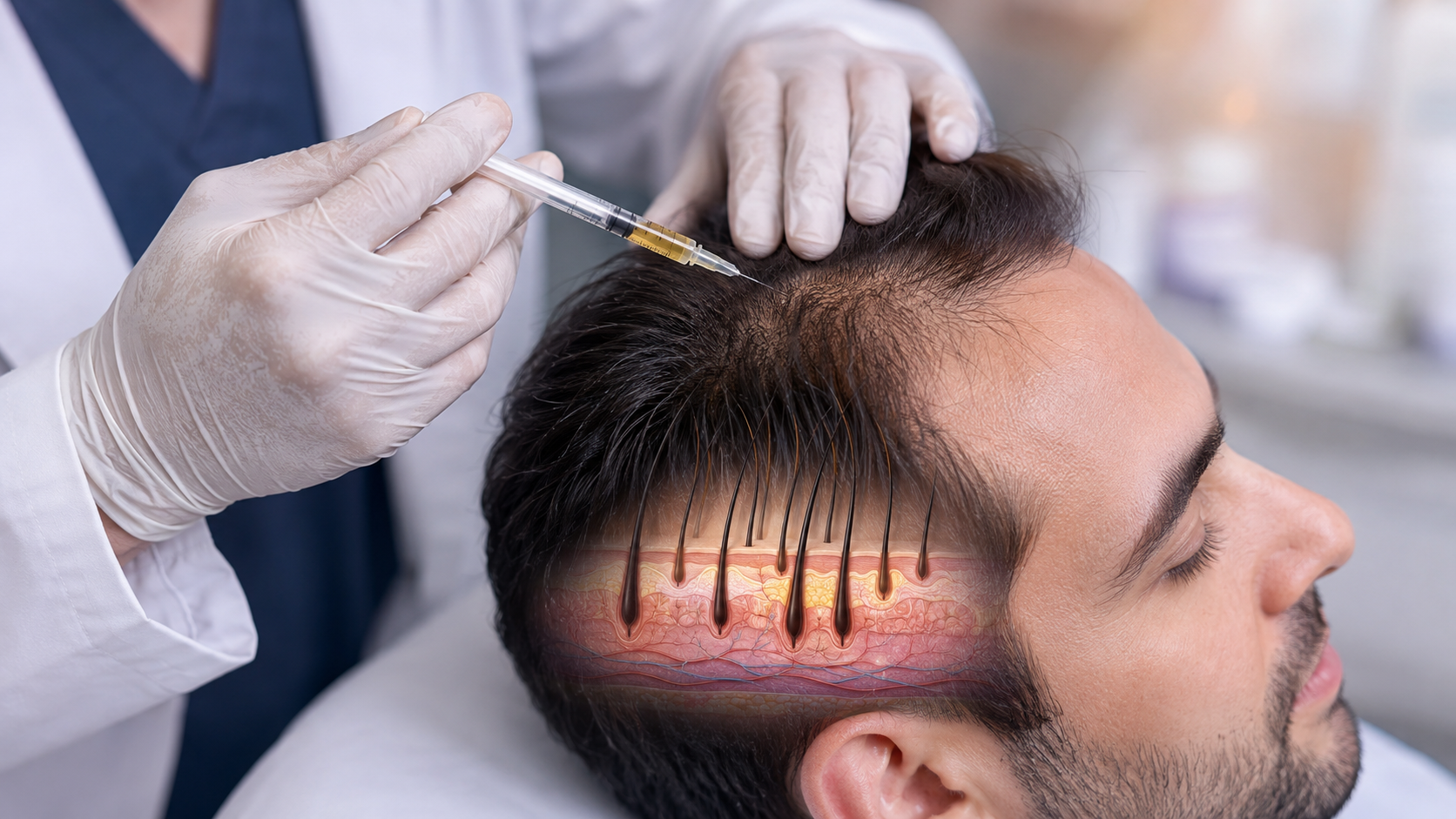
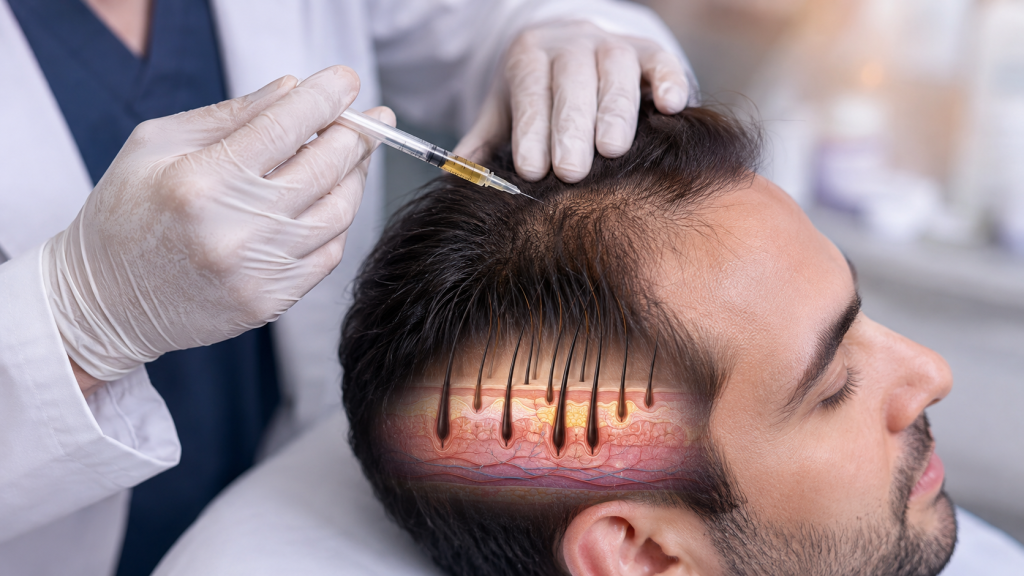
Platelet-Rich Plasma (PRP) is simply a concentration of these platelets and growth factors. When we isolate this “liquid gold” from your blood and inject it into your scalp, we are essentially giving your hair follicles a supercharged dose of nutrients to help them heal and grow.
Think of it as fertilizer for a wilting garden. You aren’t replacing the soil (your scalp); you are feeding the roots (hair follicles) to help them thrive again. This is the science behind every successful PRP hair treatment in Cuttack and beyond.
How Does This Help With Hair Loss?
Hair follicles do not die suddenly. They shrink over time. In conditions like male or female pattern baldness, a hormone called DHT attacks the follicles, making them produce thinner, shorter hair until they eventually stop producing hair at all.
The growth factors in PRP help by:
- Stimulating the stem cells in the hair follicle.
- Increasing blood supply to the hair root.
- Extending the growth phase of the hair cycle.
By injecting PRP into the scalp, we are attempting to “wake up” these dormant or shrinking follicles and encourage them to produce thicker, healthier hair. This regenerative approach is what makes PRP hair treatment in Cuttack such a sought-after option for those experiencing early to moderate hair thinning.
The Benefits of PRP Therapy for Hair Health
Why are so many people considering PRP hair treatment in Cuttack? Because it offers a unique blend of science and safety.
- It is Natural: Since we use your own blood, there is virtually no risk of an allergic reaction or rejection.
- Minimally Invasive: There is no surgery, no stitches, and no large scars—just tiny injections.
- Promotes Density: Clinical studies show that PRP can significantly increase hair density and reduce hair shedding in suitable candidates.
- Synergistic: PRP often works well alongside other treatments like topical solutions, making it a great addition to a comprehensive hair care plan.
- Quick Recovery: Most patients return to their daily routine immediately.
For residents of the Silver City, choosing PRP hair treatment in means accessing world-class regenerative therapy without having to travel to metropolitan cities.
The Procedure: What Happens in the Clinic?
So, how is PRP hair treatment actually performed? It usually happens in three simple steps:
1. Blood Collection
A small amount of blood (typically 15–30 mL) is drawn from your arm. It feels just like a normal blood test.
2. Centrifugation
Your blood sample is placed in a machine called a centrifuge. This machine spins at high speed for about 10 minutes, separating the blood into layers. The concentrated platelet-rich plasma is then carefully extracted.
3. The Injections
Your scalp is numbed with a local anesthetic to ensure comfort. The prepared PRP is then injected into the areas of your scalp where hair is thinning or shedding. The process takes about 30 to 45 minutes.
Pro-Tip: Always ensure the clinic uses sterile, high-quality equipment for the centrifugation process to guarantee the best possible quality of the PRP. This is particularly important when seeking PRP hair treatment in Cuttack, as the quality of equipment directly impacts results.
How Many Sessions Will You Need?
This is where reality meets expectations. PRP is not a “one-and-done” magic bullet.
Typically, doctors recommend an initial series of 3 to 6 sessions, spaced about 4 to 6 weeks apart. After this, you will likely need maintenance sessions—perhaps once every 6 to 12 months—to sustain the results.
The exact number depends on your specific hair loss pattern, age, and how your body responds to the treatment. A qualified specialist offering PRP hair treatment in Cuttack will create a personalized plan tailored to your unique needs.
When Can You See Results?
Patience is key with PRP therapy.
- Weeks 1–2: You might not see growth yet, but patients often notice a reduction in shedding.
- Months 3–6: This is usually when visible results start to appear. You may notice new, fine hairs appearing at the hairline or crown, and existing hairs may look thicker.
- Month 12: Maximum results are often seen around the one-year mark.
Important: PRP is a “helping hand,” not a cure. Results can vary from person to person. This is why a thorough consultation before beginning PRP hair treatment in Cuttack is essential.
Are You a Good Candidate?
PRP works best for those in the early to moderate stages of hair loss. It is particularly effective for Androgenetic Alopecia (pattern baldness) in both men and women.
However, it is important to consult a specialist. PRP may not be effective for advanced baldness where the follicles have already scarred over. A thorough evaluation by a qualified hair restoration surgeon is essential to determine if PRP is right for you. If you are exploring PRP hair treatment in Cuttack, look for a clinic that offers a comprehensive diagnostic assessment before recommending treatment.
Side Effects and Downtime
Since PRP comes from your own body, it is considered very safe. You might experience temporary side effects like mild pain at the injection site, redness, or a slight headache. These usually subside within a few hours to a couple of days. There is no major downtime, so you can head back to work or explore the sights right after.
PRP vs. Other Treatments
- PRP vs. Medicines: Medications like Minoxidil or Finasteride are often the first line of defense, but they have side effects and require lifelong use. PRP can be used alone or with these medicines.
- PRP vs. GFC (Growth Factor Concentrate): GFC is like a more refined version of PRP. It involves a more complex laboratory process to extract a higher concentration of growth factors. Both are excellent options, but GFC is often considered the newer, more advanced sibling of PRP.
- PRP vs. Hair Transplant: PRP helps thicken existing hair. A hair transplant moves hair from one area to another. For severe hair loss, a transplant may be the only solution, but PRP is often used alongside transplants to help the newly placed grafts thrive.
Many clinics offering PRP hair treatment in Cuttack now provide combination therapies to maximize results.
When Should You consult a Specialist?
Do not wait until the thinning is severe. You should consult a hair specialist if you notice:
- Sudden or patchy hair loss.
- A dramatic increase in daily shedding.
- Receding hairline or widening part line.
- Scalp itching, redness, or pain.
Early intervention often leads to better outcomes, especially with treatments like PRP.
Frequently Asked Questions (FAQs)
1: Is PRP treatment painful?
Answer: Most patients experience minimal pain. The scalp is numbed with a local anesthetic cream or injection before the PRP is administered, making the process quite comfortable.
2: How long does a PRP session take?
Answer: The entire process from blood draw to the final injection—usually takes about 45 minutes to an hour.
3: Can women undergo PRP for hair loss?
Answer: Absolutely. PRP is highly effective for female pattern hair loss and helps improve overall hair volume and density.
4: Will I need to take time off work?
Answer: No. There is minimal downtime. You might experience slight redness, but this usually fades within a few hours, allowing you to resume your daily routine immediately.
Conclusion
Hair loss is a journey, but you do not have to walk it alone. While PRP therapy is not a guaranteed miracle cure, it represents a significant scientific advancement in the fight against hair loss. By using your body’s natural regenerative capabilities, it offers a safe, effective, and non-surgical way to potentially restore hair density and confidence.
For those in Cuttack looking for a reliable, personalized solution, the key is to find a clinic that offers a thorough diagnosis and realistic expectations. The growing popularity of PRP hair treatment in Cuttack reflects the city’s embrace of advanced, science-backed aesthetic care.
Contact Hair Transplant Clinic
Dr Chinmayee Kar
Pearl Hair Transplant
Address: Near Reliance Fresh, CDA Sector VI, Cuttack, Odisha 753014
Call: +91 7008801645
