Hair loss, also known as alopecia, refers to the condition where a person experiences a reduction in the number of hair strands on the scalp or other areas of the body. It can occur gradually or suddenly, and it may affect just a small area or the entire scalp.
Hair loss has many possible causes. The most common include:
In some cases, the cause of hair loss is clear, such as when chemotherapy is causing hair loss. In some cases, your healthcare physician will have to investigate the cause of your hair loss further.
To determine the correct diagnosis, your provider may:
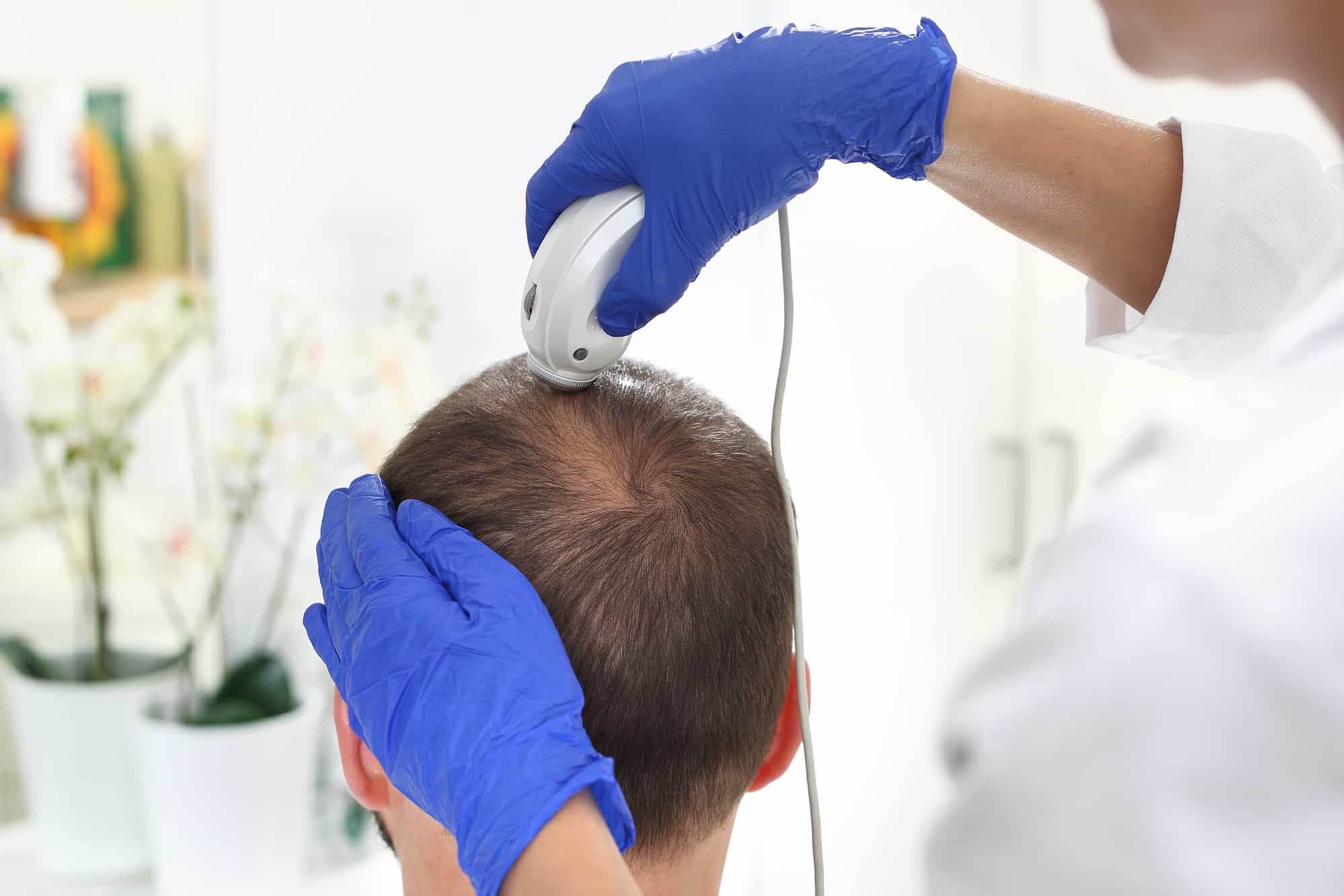
Hair loss is diagnosed through a combination of physical examination, medical history, trichoscopy (scalp examination), blood tests, and sometimes scalp biopsy. The doctor may also perform a pull test to assess hair shedding.
A scalp biopsy is not always necessary. It's typically used when the cause of hair loss is unclear or to confirm conditions like scarring alopecia or fungal infections.
Counseling can provide emotional support, help manage the psychological impact of hair loss, and offer coping strategies. It can also address the stress that may contribute to or exacerbate hair loss.
Yes, stress can trigger conditions like telogen effluvium, where hair falls out due to stress-induced disruptions in the hair growth cycle.
It can take 3-6 months to notice visible results from treatments like minoxidil or oral medications. Hair growth is gradual, and results vary from person to person.