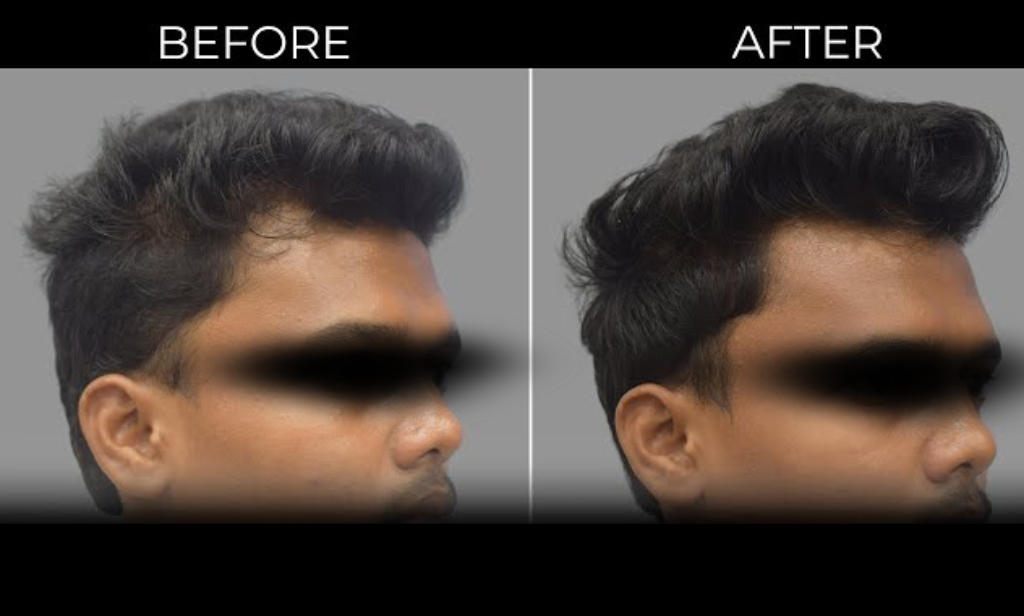
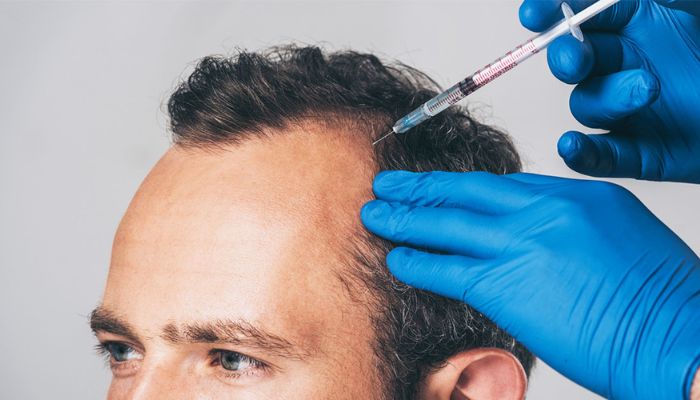
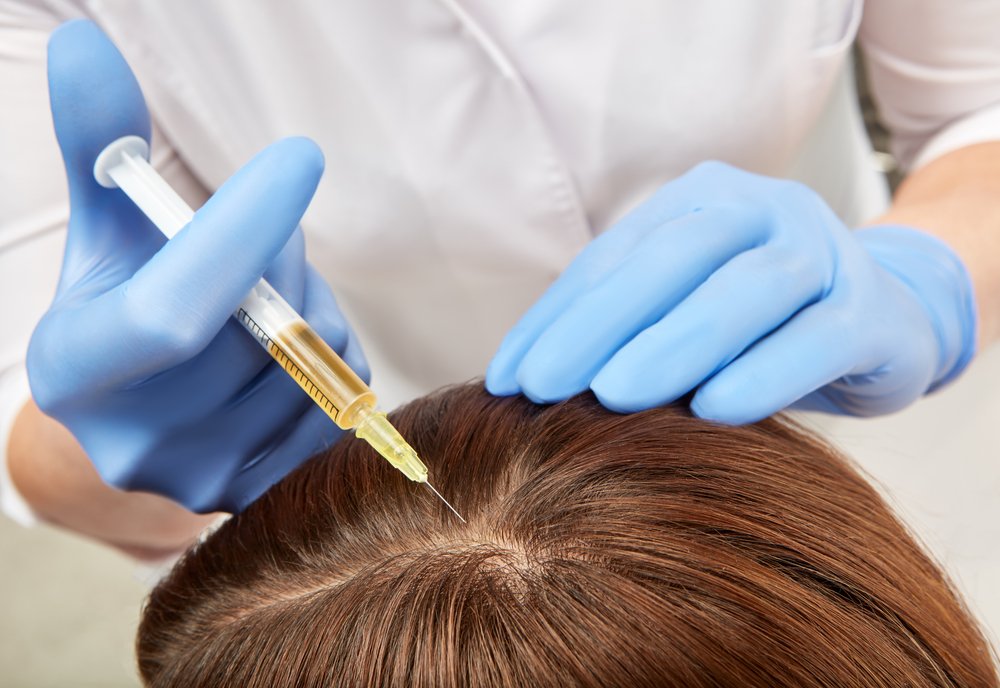
Platelet Rich Plasma (PRP) Therapy is a cutting-edge medical treatment that utilizes a patient’s own blood to promote healing and tissue regeneration. It involves drawing a small amount of blood, processing it to concentrate the platelets, and then injecting the platelet-rich plasma into the targeted area.
Platelets are rich in growth factors and proteins that play a crucial role in the body’s natural healing process. By concentrating these platelets and delivering them directly to areas needing repair or rejuvenation, PRP therapy stimulates cellular regeneration, enhances tissue healing, and promotes the growth of new, healthy cells.
Advantages of PRP Therapy
Minimal invasive.
Uses your body’s natural healing mechanisms.
Safe and effective with minimal downtime.
Long-Lasting Results
Improves Quality of Life
Consultation
Gather a detailed medical history to assess suitability for PRP therapy.
Discuss existing medical conditions, allergies, and medications.
Evaluate lifestyle factors such as smoking, alcohol intake, and stress, which can impact results.
Conduct a physical examination of the affected area to determine the severity of the condition.
Who Is suitable for PRP Treatment?
Good Overall Health: Candidates should be free from chronic infections, severe illnesses, or bleeding disorders.
No Blood-Related Conditions: Conditions like clotting issues or platelet dysfunction syndromes may make PRP unsuitable.
Non-Smokers: Smoking can hinder the effectiveness of PRP, as it affects blood flow and healing.
Realistic Expectations: Candidates must understand that results may vary, and multiple sessions might be required.
Aftercare
Avoid Touching the Treated Area Do not touch, rub, or massage the area for at least 24-48 hours to allow the PRP to integrate properly
Stay Hydrated Drink plenty of water to support healing and promote healthy skin regeneration.
Limit Physical Activity Avoid strenuous exercise or heavy sweating for 24-48 hours, as this can irritate the treated area.
Avoid Alcohol and Smoking Minimize alcohol consumption and avoid smoking, as these can impede the healing process and affect results.
Follow a Gentle Cleansing Routine Use a mild cleanser and lukewarm water to clean the treated area. Avoid harsh scrubbing or exfoliation for at least a week.
Frequently Asked Question?
The procedure typically takes 4 to 8 hours, depending on the number of grafts required. Larger procedures may require multiple sessions.
PRP therapy involves minimal discomfort. A local anesthetic is often applied before the procedure to numb the area. The injections themselves might cause some mild discomfort or a slight sting, but the procedure is generally well-tolerated.
After the procedure, you may experience mild redness, swelling, or bruising at the injection site, which should subside within a few days. You can typically resume normal activities immediately, though strenuous exercise should be avoided for 24-48 hours.
Since PRP therapy uses your own blood, the risk of allergic reactions or disease transmission is minimal. However, there may be some temporary side effects such as mild swelling, bruising, or irritation at the injection site.
PRP therapy is considered safe because it uses your own blood, reducing the risk of allergic reactions or rejection. However, it should be performed by a qualified and experienced professional to ensure proper technique and minimize any complications.
Unlock Your Hair’s Full Potential with PRP Therapy! Book a session at Pearl Hair Transplant Now!