
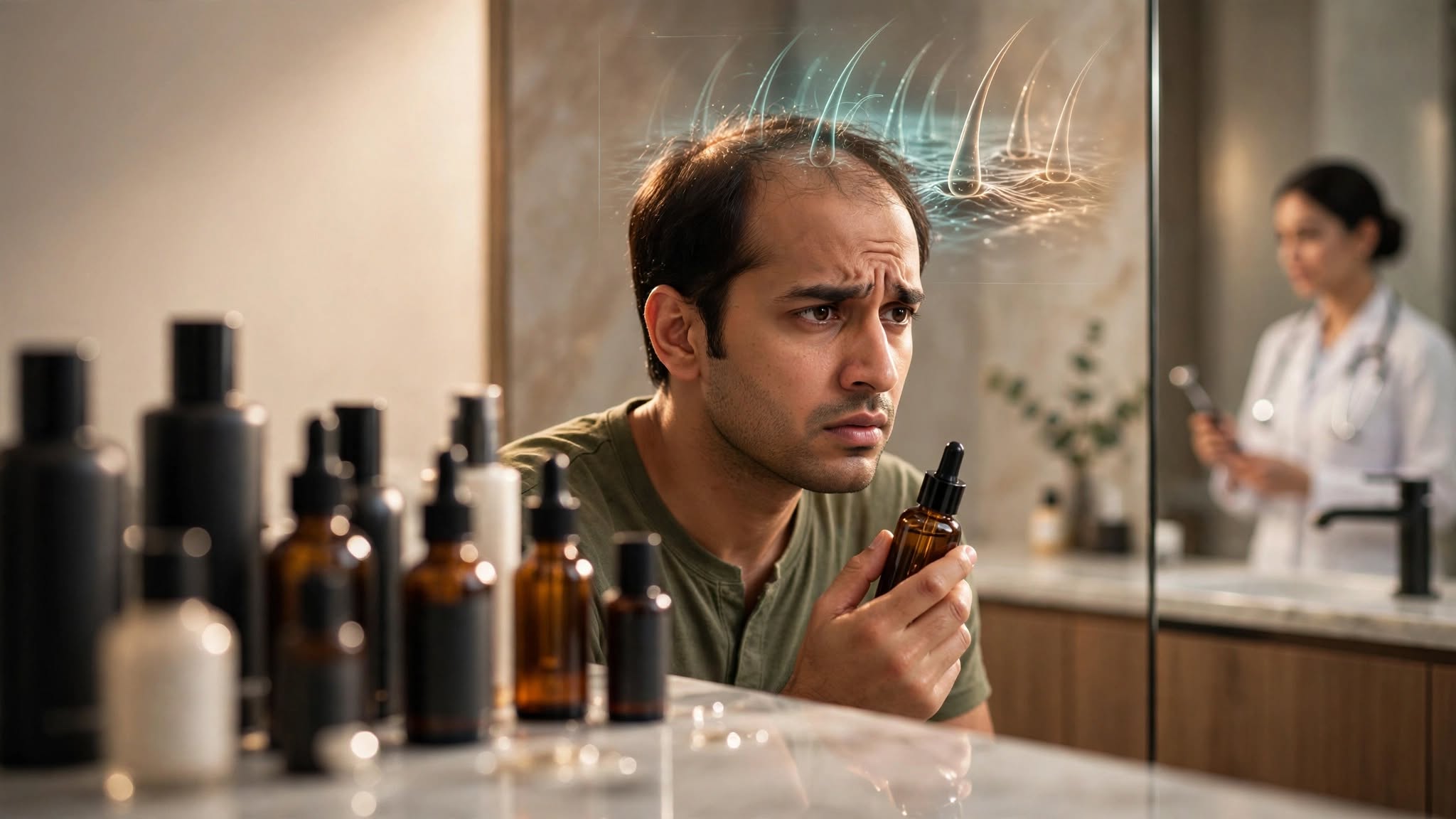
Do you find yourself spending thousands of rupees on fancy shampoos, serums, and hair masks, hoping they will finally stop your hair fall? You are not alone. Many of us believe that if a product is expensive, it must work better. But here’s the truth: the price of a hair product does not determine whether it can treat the cause of hair loss. If you are struggling with persistent hair fall despite using premium products, it may be time to consult a qualified hair specialist in Cuttack who can help identify the real underlying cause.
Let’s explore why those pricey bottles might not be the answer you are looking for.
Why Expensive Hair Products Don’t Always Solve Hair Loss
Hair loss has many different causes, while most cosmetic hair products are designed primarily for hair and scalp care rather than treating an underlying medical condition.
An expensive shampoo might make your hair feel softer, smoother, and shinier—but these cosmetic improvements do not mean it is treating hair follicle miniaturisation, hormonal changes, nutritional deficiencies, or other root causes of hair loss. Baldness is usually most noticeable on the scalp, but products applied to the surface cannot change what is happening inside your body. In most cases, hair loss is inherited, passed down from one or both of your parents.
Hair Damage vs Hair Loss: What’s the Difference?
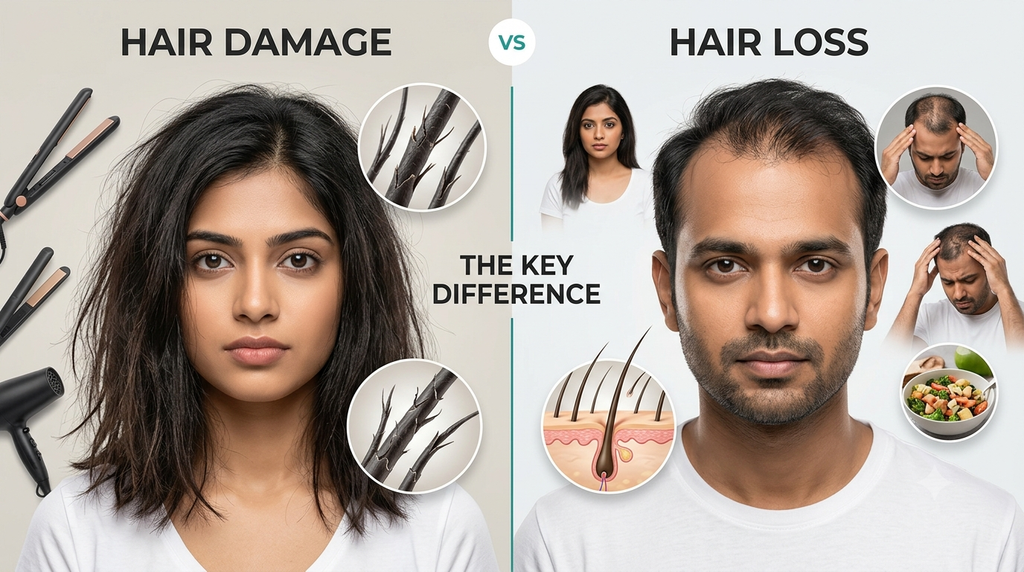
It is important to understand the difference between hair damage and hair loss.
Hair Damage refers to:
- Split ends
- Dryness and frizz
- Breakage from heat or chemicals
- Brittle texture
Hair Loss refers to:
- Shedding from the root
- Receding hairline
- Crown thinning
- Widening hair part
- Visible bald patches
While good hair products can help with damage, they are unlikely to stop true hair loss. If you are noticing hair shedding from the root rather than breakage, a hair specialist in Cuttack can help determine the cause.
Common Reasons Hair Loss Continues Despite Expensive Products
1. Genetics
Hereditary pattern hair loss, also known as androgenetic alopecia, is the most common cause of hair loss. If you have a family history of balding, no expensive shampoo will change your genetic predisposition. Generally, the earlier hair loss starts, the more severe it will become.
2. Hormonal Changes
Hormonal imbalances can significantly affect hair growth. Conditions like thyroid disorders (hypothyroidism or hyperthyroidism) are linked to hair loss. In women, conditions like PCOS can cause hair thinning.
3. Nutritional Deficiencies
Not getting enough protein or iron from the foods you eat can contribute to hair loss. Deficiencies in vitamin B12 and vitamin D are also commonly linked to hair fall. A product applied to the scalp cannot fix a deficiency in your diet.
4. Stress and Major Life Changes
Significant physical or emotional stress can cause a temporary type of hair loss called telogen effluvium, where hair shedding increases a few months after the stressful event. This can be triggered by childbirth, surgery, illness, or high fever.
5. Scalp Conditions
Conditions like ringworm of the scalp, dandruff, or other scalp infections can contribute to hair shedding. While some medicated shampoos can help with scalp conditions, expensive cosmetic products may not address the underlying infection.
6. Alopecia Areata and Other Hair Disorders
This autoimmune condition causes sudden loss of hair, most commonly in small patches. If all body hair is lost, regrowth may not happen, and it requires medical evaluation.
What Can Hair Products Actually Do?
Cosmetic hair products can help with:
- Scalp cleansing
- Hair conditioning
- Reducing dryness
- Managing frizz
- Protecting hair from styling damage
- Improving cosmetic appearance
However, cosmetic hair products generally cannot be expected to treat every cause of hair loss. Damage to your hair from pulling it back too tightly, wearing tight braids, or using curling irons can cause breakage. Good products might help prevent this damage, but they won’t treat hormonal or genetic hair loss.
Some scalp serums contain ingredients like caffeine, rosemary oil, and saw palmetto that are chosen to combat hair thinning. However, brands themselves acknowledge that scalp health is “not a quick fix” and “not something you need if you have a skin condition or something serious happening.”
When Is It Time to Stop Buying Products and See a Hair Specialist?
If you notice any of the following, it is time to consult a professional:
- Persistent hair fall that does not improve with product changes
- Rapidly increasing shedding
- Receding hairline or crown thinning
- Widening hair part
- Visible bald patches
- Hair loss accompanied by itching, scaling, or inflammation
- Hair loss that continues despite changing products
A qualified hair specialist in Cuttack can evaluate your condition and recommend appropriate treatment rather than just another product.
What Can a Hair Specialist Do Differently?
A qualified hair specialist focuses on identifying the underlying cause rather than recommending another cosmetic product.
Evaluation may include:
- Medical and family history
- Scalp examination
- Assessment of hair-loss pattern
- Review of medications and lifestyle factors
- Blood tests when medically indicated
A proper diagnosis is essential for appropriate treatment.
Hair Loss Treatment Options
Depending on the diagnosis, a hair specialist in Cuttack may recommend:
- Medical treatment for pattern hair loss, including medications that have been clinically proven to slow progression
- Treatment of scalp conditions like infections or inflammation
- Correction of nutritional deficiencies through diet or supplements when recommended
- PRP therapy (Platelet-Rich Plasma) as a non-surgical option
- Hair transplant for selected patients with suitable donor hair and an appropriate diagnosis
Not every patient is a surgical candidate. A person with active scalp disease, unstable hair loss, or weak donor density may benefit more from medical management first.
How to Choose Hair Products Wisely
- Focus on scalp and hair needs rather than price
- Choose products suited to your hair and scalp type
- Be cautious of exaggerated “hair regrowth” claims
- Do not switch products constantly based only on advertisements
- Seek professional advice for persistent hair loss
Frequently Asked Questions
1. Can expensive shampoo stop hair loss?
Ans :- No. Most shampoos are designed for cleansing and conditioning, not treating the underlying causes of hair loss like genetics or hormones.
2. Are expensive hair serums worth it for hair fall?
Ans :- While some serums may support scalp health, they are not a substitute for professional diagnosis. A product may improve hair texture, but it cannot treat genetic or hormonal hair loss.
3. Why am I still losing hair despite using good products?
Ans :- Hair loss is often caused by genetics, hormones, nutritional deficiencies, or medical conditions—none of which can be fixed by products applied to the hair surface.
4. What is the difference between hair breakage and hair loss?
Ans :- Hair breakage occurs along the hair shaft and is often caused by damage. Hair loss involves shedding from the root and may be due to genetics, hormones, or medical conditions.
5. What are the common causes of hair loss?
Ans :- Common causes include family history (genetics), stress, nutritional deficiencies (iron, protein, vitamins), hormonal changes, thyroid disorders, and scalp conditions.
6. When should I see a hair specialist?
Ans :- You should see a specialist if you notice persistent hair fall, a receding hairline, widening part, bald patches, or hair loss accompanied by scalp symptoms like itching or redness.
7. Can hair loss be treated without a hair transplant?
Ans :- Yes. Depending on the cause, treatment may include medication, PRP therapy, nutritional correction, or treating underlying scalp conditions. A specialist can determine the best approach.
Conclusion
Expensive hair products can make your hair look better, but they cannot address the root causes of hair loss. If you are spending a fortune on products without seeing real improvement, it might be time to stop buying and start consulting. A qualified hair specialist in Cuttack can help you understand why your hair is falling and recommend appropriate treatment. Remember, the most expensive product is not always the most effective solution. Sometimes, the best investment you can make is in a proper diagnosis from a trusted professional.
From the Doctor’s Chair: Dr. Chinmayee Kar Shares What Every Patient Should Know
Many patients come to me after spending lakhs of rupees on products that promised to regrow their hair. The truth is, most of these products cannot treat the underlying cause. Genetic hair loss, hormonal imbalances, and nutritional deficiencies require medical evaluation and targeted treatment not just a better shampoo. If you have persistent hair loss, seeing a qualified specialist is always a better investment than buying another expensive bottle.
Dr. Chinmayee Kar
Hair Transplant Specialist
Clinic Name
Pearl Hair Transplant
Near Reliance Fresh, CDA Sector VI,
Kataka, Odisha – 753014
Contact: +91 70088 01645
Visit location :- https://maps.app.goo.gl/QS5ds6nmn3FYuLBi8
Disclaimer :- The information provided in this blog is intended for general educational and informational purposes only. It is not intended to replace professional medical advice, diagnosis, or treatment from a qualified healthcare professional.
