Hair loss Diagnosis

Home > Hair loss Diagnosis

What is hair loss?

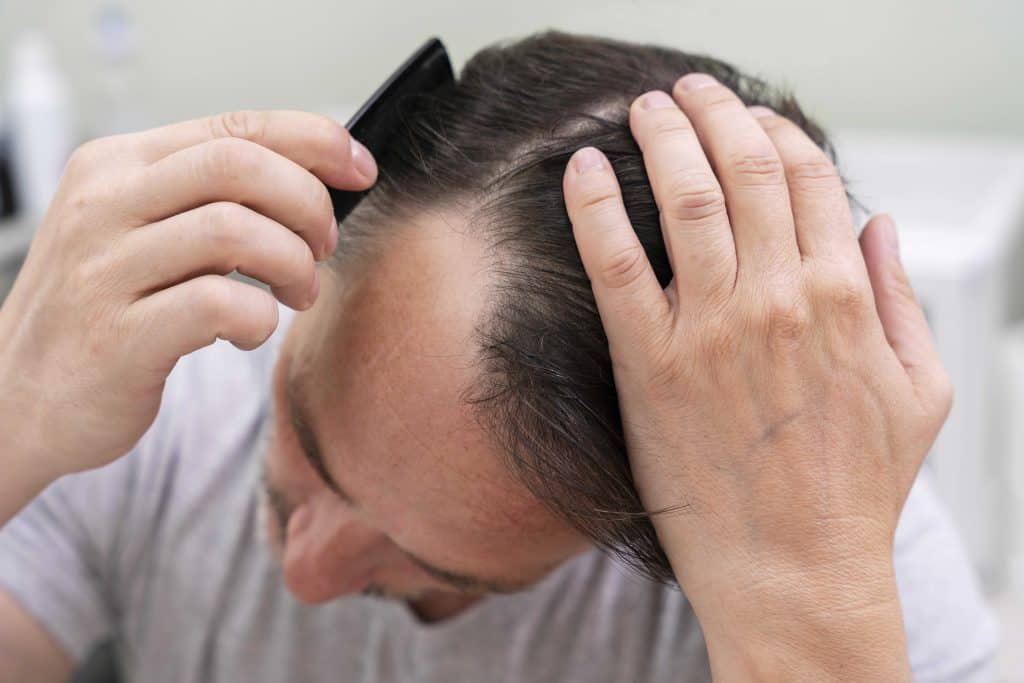
Hair loss, also known as alopecia, refers to the condition where a person experiences a reduction in the number of hair strands on the scalp or other areas of the body. It can occur gradually or suddenly, and it may affect just a small area or the entire scalp.

What are the types of Hair loss?

  • Androgenic alopecia: This type of hereditary baldness can affect anyone (male pattern baldness or hair loss in women).
  • Alopecia areata: Alopecia areata is an autoimmune disease that results in hair loss from the head and body.
  • Telogen effluvium: This type of hair loss involves rapid shedding of hair in a short amount of time. It typically happens a few months after your body goes through something physically or emotionally stressful. It can also result from sudden hormonal changes.
  • Good Health: As with any surgery, healing and results can be enhanced by being in good general health.
  • Anagen effluvium: This very rapid hair loss occurs due to certain medical treatments, such as chemotherapy.

What are the symptoms of Hair loss?

  • Receding hairline (typical of male pattern baldness).
  • Thinning hair all over the head (typical of female pattern hair loss).
  • Loss of small patches of hair on the scalp.
  • Loss of hair on the scalp and body.

What causes hair loss?

Hair loss has many possible causes. The most common include:

  • Hereditary hair loss from genetics (genes you inherit from your parents).
  • Fungal infections on the scalp.
  • Hairstyles that pull the hair tightly (such as braids, hair extensions or tight ponytails).
  • Haircare that may cause damage due to processing (including perms and bleach).
  • Hormonal changes (such as pregnancy, childbirth or menopause).
  • Medical treatment (such as chemotherapy and certain medications).
  • Nutritional deficiencies (especially not getting enough iron or protein).
  • Stressful events (like having surgery or losing a loved one).

How is hair loss diagnosed?

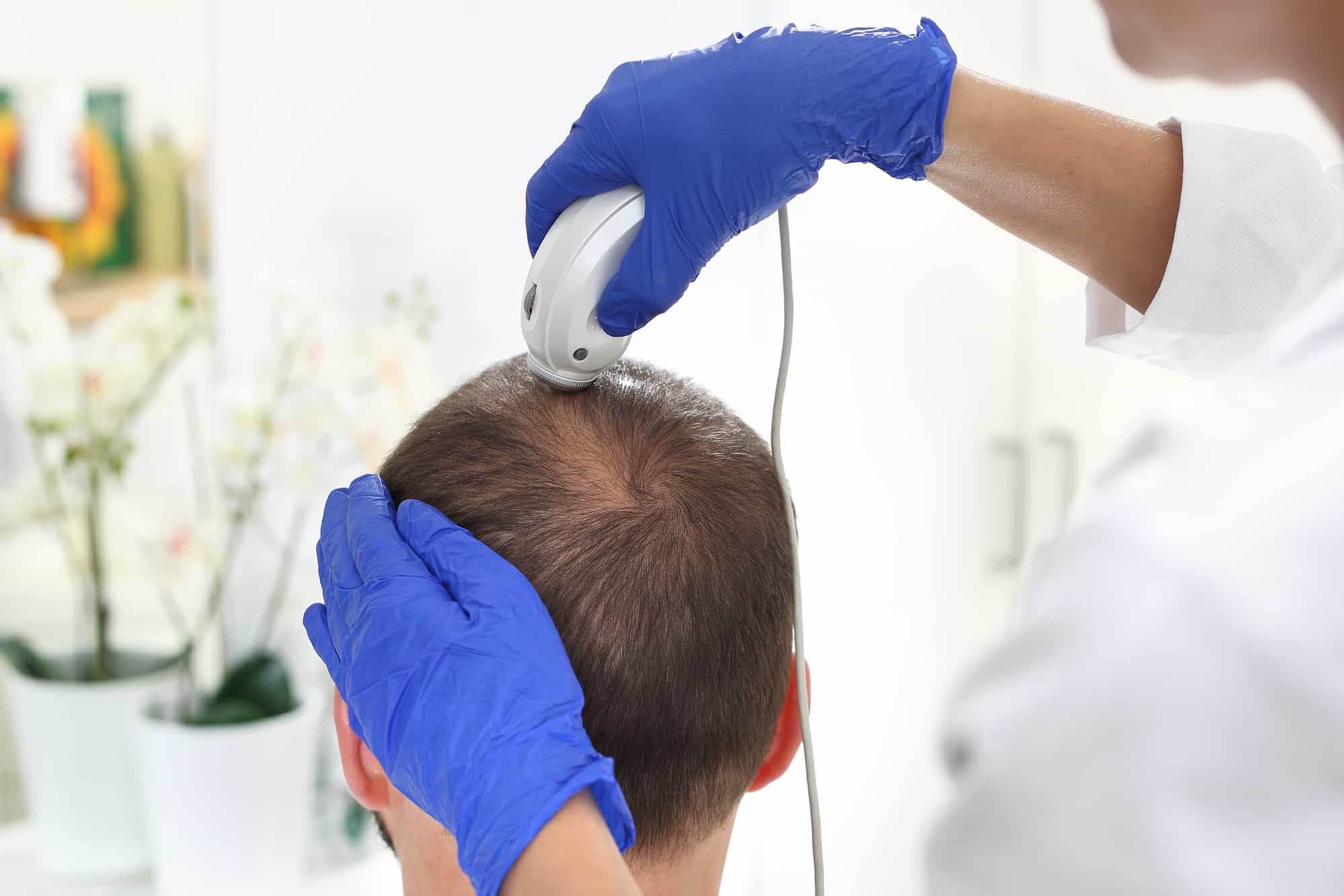
In some cases, the cause of hair loss is clear, such as when chemotherapy is causing hair loss. In some cases, your healthcare physician will have to investigate the cause of your hair loss further.

To determine the correct diagnosis, your provider may:

  • Ask about your family history, including if any relatives experienced hair loss and at what age.
  • Look at your medical history.
  • Order blood tests to measure thyroid function and iron levels.
  • Examine your scalp for signs of infection.
  • Take a scalp biopsy to check for skin disease.

How is hair loss treated?

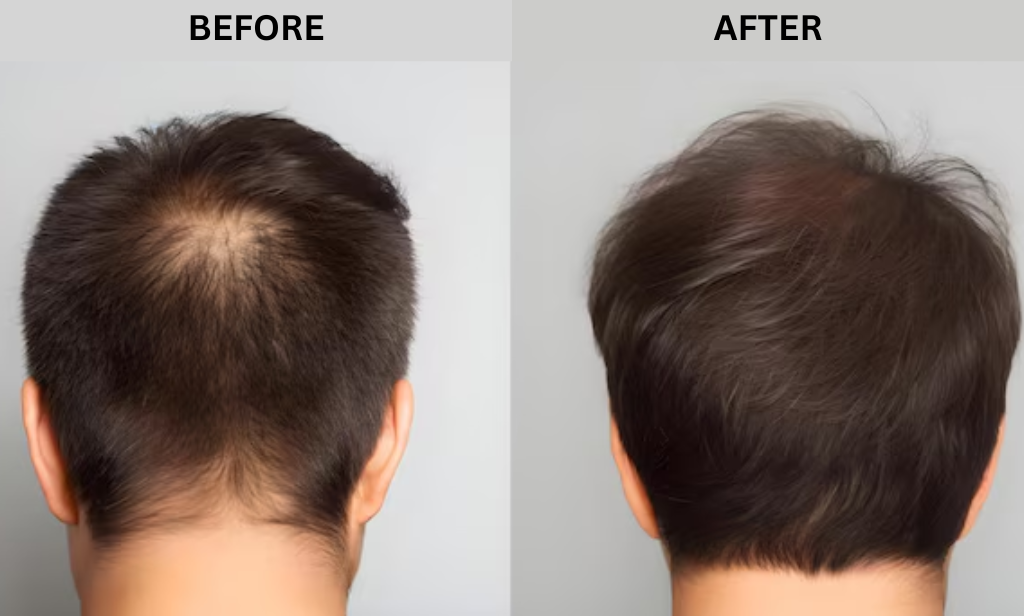
  • Medications: Minoxidil (topical) and Finasteride (oral) are commonly used for pattern baldness.
  • Hair Transplant Surgery: Methods like FUT and FUE can provide permanent solutions for hair restoration.
  • PRP Therapy: Platelet-rich plasma injections stimulate hair growth.
  • Low-Level Laser Therapy (LLLT): Uses light to encourage hair regrowth.

How can I prevent hair loss?

  • Eat a healthy diet rich in vitamins, minerals, and protein.
  • Manage stress with techniques like yoga or meditation.
  • Avoid tight hairstyles that pull on the hair.
  • Wash and condition hair properly, using mild products.
    regrowth.
  • Limit heat styling and harsh chemical treatments.
  • Stay hydrated to keep hair and scalp healthy.

Frequently Asked Question?

Hair loss is diagnosed through a combination of physical examination, medical history, trichoscopy (scalp examination), blood tests, and sometimes scalp biopsy. The doctor may also perform a pull test to assess hair shedding.

A scalp biopsy is not always necessary. It's typically used when the cause of hair loss is unclear or to confirm conditions like scarring alopecia or fungal infections.


Counseling can provide emotional support, help manage the psychological impact of hair loss, and offer coping strategies. It can also address the stress that may contribute to or exacerbate hair loss.

Yes, stress can trigger conditions like telogen effluvium, where hair falls out due to stress-induced disruptions in the hair growth cycle.

It can take 3-6 months to notice visible results from treatments like minoxidil or oral medications. Hair growth is gradual, and results vary from person to person.

"Don’t Let Hair Loss Take Over!
Book Your Free Hair Loss Consultation Today!"

Say Hi !
Get Discount