As with any surgical procedure, there are potential risks, such as infection, scarring, or graft failure. However, these risks are rare, especially when performed by an experienced surgeon. Proper aftercare can minimize these issues.

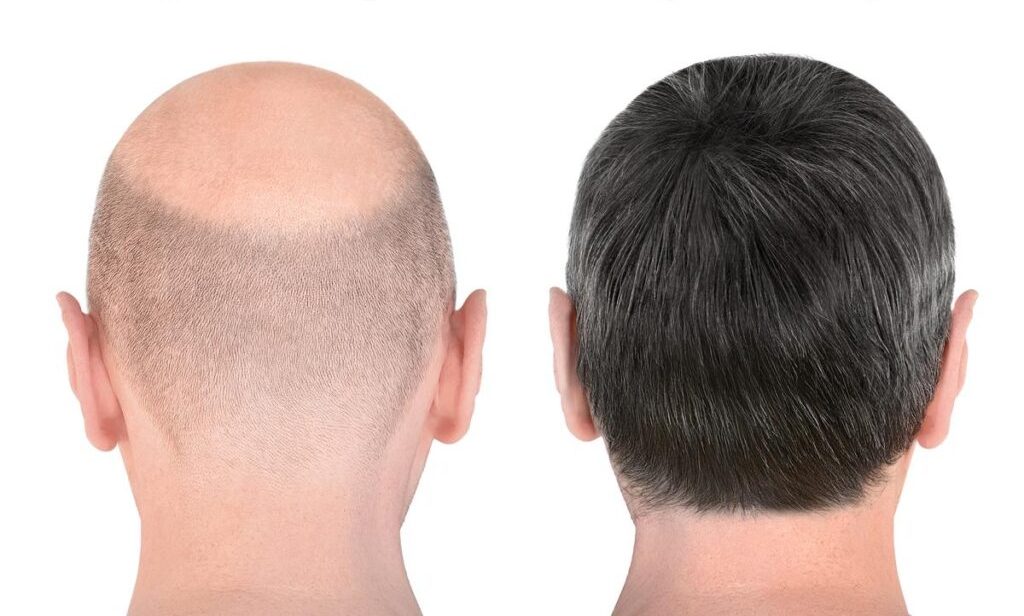
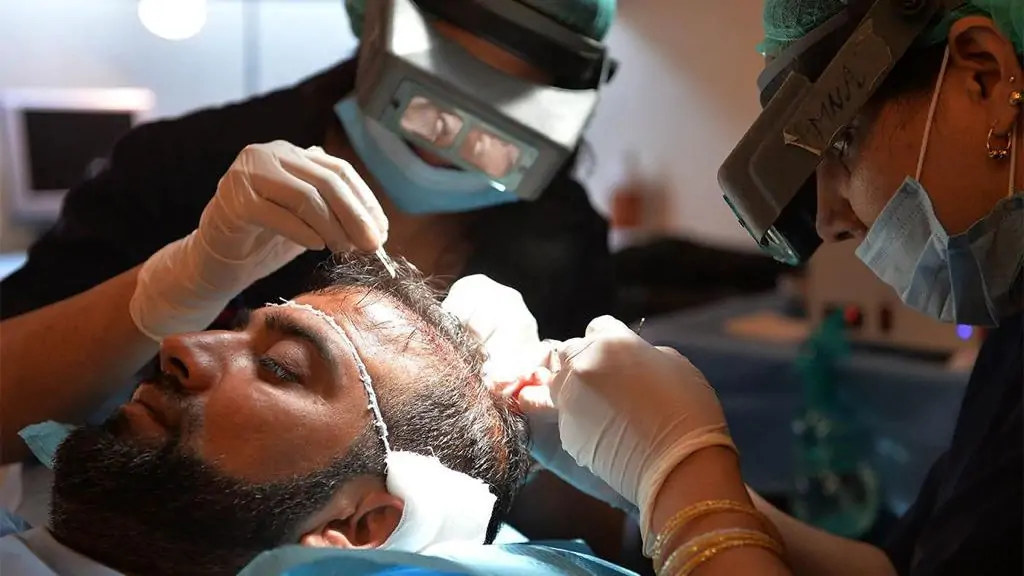
Hair loss, a concern faced by countless men worldwide, can impact self-confidence and overall well-being. While genetics, hormones, and other factors play a role, the quest for solutions remains constant. One of the most sought-after and effective remedies is male hair transplantation. If you’re contemplating this procedure or want to understand it better, you can go through all the resources on our website to help you decide.
A surgical treatment known as hair transplantation involves moving hair follicles from one area of the body—typically a denser area like the back or sides of the head—to the areas that are thinning or balding. Restoring or increasing hair density is the aim in order to achieve a natural-looking outcome.
Over time, hair transplantation has advanced, resulting in better results and more advanced techniques. It offers a thrilling way for guys who are struggling with hair loss to restore both their hair and their confidence. But it’s important to set reasonable expectations, fully comprehend the process, and speak with knowledgeable experts. Hair transplantation can be a life-changing procedure if done correctly.
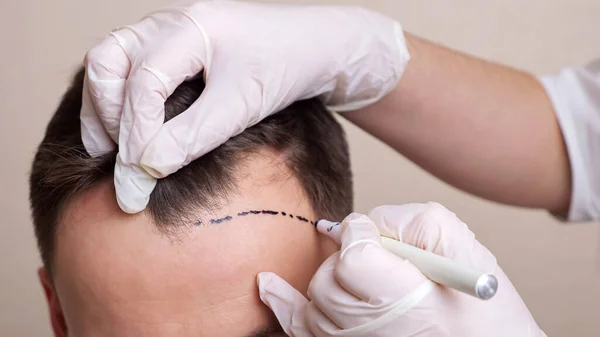
The procedure typically takes 4 to 8 hours, depending on the number of grafts required. Larger procedures may require multiple sessions.
The choice depends on factors such as the extent of hair loss, the desired number of grafts, scalp laxity, and personal preference. FUE may be better for those seeking a less noticeable scar and quicker recovery, while FUT may be ideal for individuals needing a large number of grafts in one session.
Most patients report minimal discomfort during the procedure, as it is done under local anesthesia. Post-procedure pain is usually mild and can be managed with prescribed medications.
Both procedures are performed under local anesthesia, so there is minimal pain during the procedure. However, FUE is often considered less painful post-operatively because it does not involve cutting a strip of skin, leading to less discomfort during recovery compared to FUT
Initial results may be visible in 3 to 6 months, with full results appearing after 12 to 18 months, as the transplanted hair grows and matures.
As with any surgical procedure, there are potential risks, such as infection, scarring, or graft failure. However, these risks are rare, especially when performed by an experienced surgeon. Proper aftercare can minimize these issues.